
Une initiative portée par les Villes membres du Réseau des Villes créatives de l’UNESCO
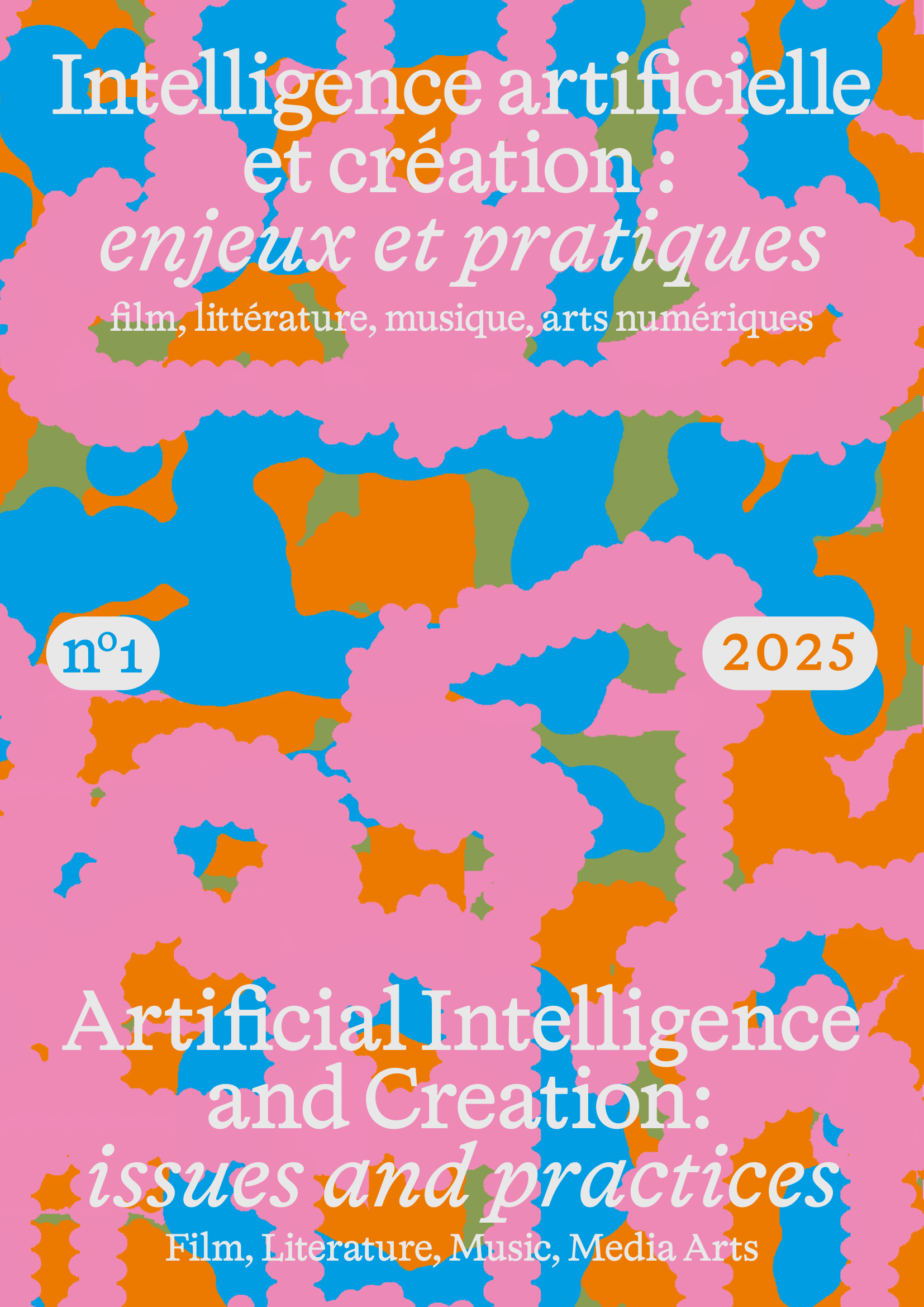
Ce projet éditorial est le fruit d’une coopération internationale entre onze villes membres du Réseau des Villes créatives de l’UNESCO, avec le soutien de la Commission nationale française pour l’UNESCO et du ministère français de l’Europe et des Affaires étrangères. Il a réuni les villes d’Angoulême, Casablanca, Cannes, Enghien-les-Bains, La Havane, Lyon, Montréal, Mumbai, Potsdam, Québec et Toulouse.
Explorer les mutations de la création à l’ère de l’IA
L’ouvrage propose une analyse transversale de l’impact de l’intelligence artificielle dans quatre grands domaines artistiques : le cinéma, la littérature, la musique et les arts numériques. Il rassemble des contributions d’experts, de chercheurs, d’artistes, chefs d’entreprises, responsables institutionnels, universitaires et journalistes issus de différents pays, offrant une lecture internationale des enjeux contemporains de la création.
Les contributions interrogent notamment :
- le rôle de l’intelligence artificielle dans les processus de création, entre outil et cocréation ;
- l’authenticité de l’expression artistique et les enjeux de droits d’auteur et de responsabilité ;
- les risques de standardisation des œuvres face à la nécessité de préserver la diversité culturelle ;
- les conditions d’une innovation durable et les mutations économiques et professionnelles des industries créatives.
Un volet Film coordonné par Cannes avec Potsdam et Mumbai
En tant que Ville créative UNESCO du film, Cannes a assuré la direction éditoriale de l’ouvrage et la coordination du volet consacré au cinéma, en collaboration avec les villes de Potsdam et Mumbai, également membres du réseau dans le domaine du film.
Ce volet analyse les usages actuels et émergents de l’intelligence artificielle dans le champ cinématographique : écriture de scénarios, production, postproduction, diffusion, mais aussi impacts sur les métiers, les modèles économiques et les formes narratives. Il s’appuie sur des entretiens et contributions de professionnels du secteur, croisant regards artistiques, industriels et institutionnels.
Cette collaboration entre Cannes, Potsdam et Mumbai illustre la capacité des Villes créatives du film à travailler ensemble sur des problématiques communes, en tenant compte de contextes culturels, économiques et technologiques différents, tout en partageant des enjeux globaux.
Le rôle des villes dans l’accompagnement des pratiques culturelles
À travers cette publication, les villes créatives UNESCO réaffirment leur rôle central pour accompagner les mutations culturelles liées aux nouvelles technologies et défendent une approche éthique de l’intelligence artificielle, considérée à la fois comme un outil d’innovation et comme un sujet de réflexion critique au service des créateurs, des publics et des politiques culturelles.
L’ouvrage marque également le lancement d’un projet international de long terme, appelé à se poursuivre sur plusieurs années, afin de documenter l’évolution des pratiques créatives liées à l’IA et de nourrir le dialogue entre les villes du réseau UNESCO.
L’ouvrage est disponible gratuitement en téléchargement ici : AI and creation : issues and practices
Prolongez la réflexion avec le vidéocast de Sven Bliedung von der Heide, Directeur général, Volucap (postdam), disponible ici : Videocast de Sven Bliedung Von der Heide
Prolongez la réflexion avec le vidéocast d’Elisha Karmitz, Directeur général, groupe MK2, disponible ici : Videocast de Elisha Karmitz
An initiative led by the member Cities of the UNESCO Creative Cities Network
This editorial project is the result of international cooperation between eleven member cities of the UNESCO Creative Cities Network, with the support of the French National Commission for UNESCO and the French Ministry for Europe and Foreign Affairs. It brought together the cities of Angoulême, Casablanca, Cannes, Enghien-les-Bains, Havana, Lyon, Montreal, Mumbai, Potsdam, Quebec City, and Toulouse.
Exploring the transformations of creation in the age of AI
The publication offers a cross-disciplinary analysis of the impact of artificial intelligence across four major artistic fields: cinema, literature, music, and digital arts. It brings together contributions from experts, researchers, artists, business leaders, institutional representatives, academics, and journalists from different countries, providing an international perspective on the contemporary challenges facing creative practices.
The contributions notably examine:
-
the role of artificial intelligence in creative processes, between tool and co-creation;
-
the authenticity of artistic expression, as well as issues related to copyright and responsibility;
-
the risks of standardization of creative works in light of the need to preserve cultural diversity;
-
the conditions for sustainable innovation and the economic and professional transformations of the creative industries.
A Film section coordinated by Cannes with Potsdam and Mumbai
As a UNESCO Creative City of Film, Cannes oversaw the editorial direction of the publication and coordinated the section dedicated to cinema, in collaboration with the cities of Potsdam and Mumbai, which are also members of the network in the film category.
This section analyzes current and emerging uses of artificial intelligence in the cinematic field, including screenwriting, production, post-production, and distribution, as well as its impact on professions, economic models, and narrative forms. It is based on interviews and contributions from industry professionals, bringing together artistic, industrial, and institutional perspectives.
This collaboration between Cannes, Potsdam, and Mumbai illustrates the ability of Creative Cities of Film to work together on shared challenges, taking into account diverse cultural, economic, and technological contexts while addressing common global issues.
The role of cities in supporting cultural practices
Through this publication, UNESCO Creative Cities reaffirm their central role in supporting cultural transformations linked to new technologies and advocate for an ethical approach to artificial intelligence—viewed both as a tool for innovation and as a subject of critical reflection in the service of creators, audiences, and cultural policies.
The publication also marks the launch of a long-term international project, set to continue over several years, aimed at documenting the evolution of AI-related creative practices and fostering dialogue among cities within the UNESCO network.
The publication is available for free download here:
AI and Creation: Issues and Practices
Continue the discussion with the videocast featuring Sven Bliedung von der Heide, CEO, Volucap (Potsdam), available here:
Videocast – Sven Bliedung von der Heide
Continue the discussion with the videocast featuring Elisha Karmitz, CEO, MK2 Group, available here:
Videocast – Elisha Karmitz